











Dark spots can feel frustrating, especially when they linger long after acne, sun exposure, or irritation has faded. Whether they appear as post inflammatory marks, sun induced patches, or uneven tone around the mouth and cheeks, hyperpigmentation affects people across all skin types and tones.
The key to clearer skin is not just finding a trending solution, but choosing the best products for dark spots based on your individual skin type and concern. A product that works beautifully for dry skin may overwhelm oily skin. A strong treatment designed for resilient skin could irritate sensitive complexions.
This guide will help you understand what causes dark spots, how skin type influences product choice, and how to build a targeted routine that supports healthy, even toned skin.
Understanding Why Dark Spots Form
Before choosing treatments, it is essential to understand what you are treating. Dark spots form when the skin produces excess melanin in response to triggers such as inflammation, sun exposure, hormonal changes, or injury.
Common types of discoloration include post inflammatory hyperpigmentation from acne, sun spots caused by ultraviolet exposure, and melasma linked to hormonal shifts. While they may look similar, their triggers differ. The best products for dark spots work by targeting melanin production, supporting skin renewal, and protecting against further damage.
Why Skin Type Matters
Your skin type determines how well you tolerate active ingredients and which formulations are most effective. Choosing the wrong texture or strength can slow progress or worsen irritation.
Skin is generally categorized as oily, dry, combination, sensitive, or normal. Each type requires a slightly different strategy when addressing hyperpigmentation.
Choosing Products for Oily and Acne Prone Skin
Oily skin often struggles with clogged pores and recurring breakouts, which can lead to frequent dark marks. For this skin type, lightweight and non comedogenic formulations are essential.
Look for treatments that help regulate oil production while addressing discoloration. Gel based serums and fluid textures absorb quickly and reduce the risk of congestion. Ingredients that promote gentle exfoliation can support cell turnover and prevent new breakouts.
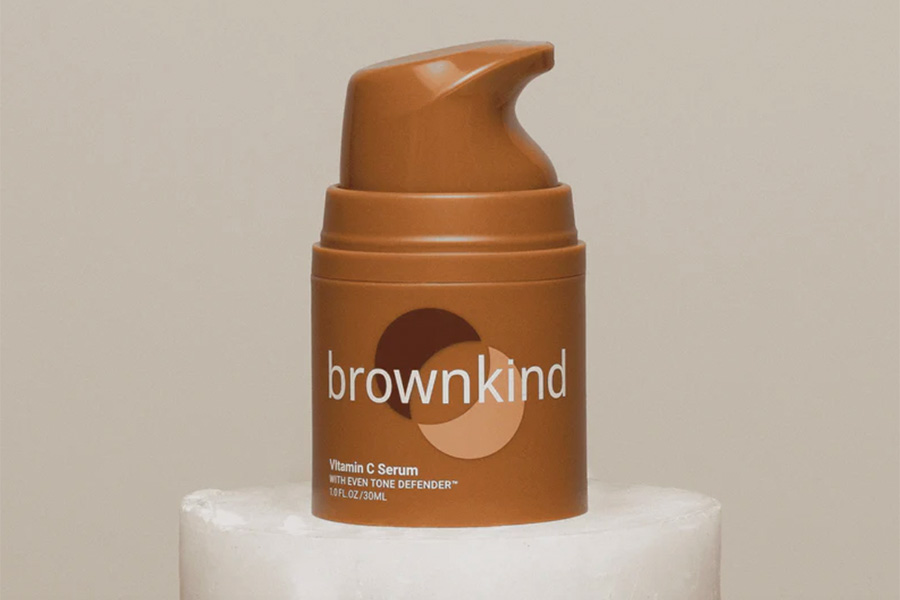
When selecting the best vitamin C serum for oily skin, choose a formula that feels light and does not leave a greasy residue. Vitamin C helps brighten uneven tone and supports collagen production. Consistent use can gradually reduce the appearance of stubborn marks.
Sunscreen is equally critical. Oil free options that provide broad spectrum protection prevent existing dark spots from becoming darker.
Choosing Products for Dry Skin
Dry skin often appears dull and may show pigmentation more prominently due to rough texture. In this case, hydration and barrier support are just as important as brightening ingredients.
Cream based treatments and nourishing serums are ideal. Ingredients that attract and retain moisture help create a smoother surface, allowing brightening agents to work more effectively.
When searching for the best products for dark spots for dry skin, prioritize formulas that combine pigment correcting ingredients with hydrating components. A well formulated best vitamin C serum for dry skin should feel comfortable and support moisture levels rather than causing tightness.
Layering matters. Apply treatment serums to clean skin, followed by a rich moisturizer to seal in hydration. Consistency will yield gradual improvement without compromising skin comfort.
Choosing Products for Sensitive Skin
Sensitive skin requires a cautious approach. Overly aggressive treatments can lead to redness and irritation, which may worsen discoloration over time.
Start with lower concentrations of active ingredients and introduce one new product at a time. Patch testing is essential. Gentle brightening agents that calm inflammation are preferable to harsh exfoliants.
A mild best vitamin C serum formulated for sensitive skin can improve tone while minimizing irritation. Avoid combining too many strong actives in the same routine. Simplicity often delivers better long term results for reactive skin.
Sunscreen remains non negotiable. Choose a formula designed for sensitive complexions to reduce the risk of stinging or redness.
Choosing Products for Combination Skin
Combination skin presents both oily and dry areas, often with an oily forehead and nose and drier cheeks. Treating dark spots effectively requires balance.
Use lightweight serums that can be applied across the entire face without overwhelming oily zones. In drier areas, follow with a richer moisturizer. In oilier areas, opt for lighter hydration.
The best products for dark spots in combination skin are those that address pigmentation without disrupting the skin barrier. Look for adaptable formulas that do not feel heavy but still provide nourishment where needed.
The Role of Vitamin C in Treating Dark Spots
Vitamin C is widely regarded as one of the most effective ingredients for brightening uneven skin tone. It works by inhibiting melanin production and protecting against environmental stressors.
Selecting the best vitamin C serum involves considering concentration, stability, and compatibility with your skin type. A well formulated serum should absorb easily and integrate smoothly into your routine.
Vitamin C also enhances the effectiveness of sunscreen by providing antioxidant protection. Used consistently in the morning, it can gradually improve clarity and luminosity.
Exfoliation and Cell Turnover
Gentle exfoliation helps remove surface buildup and encourages fresh skin cells to emerge. This can enhance the performance of brightening treatments.
However, moderation is crucial. Over exfoliation can trigger inflammation and lead to more pigmentation. Choose exfoliating products appropriate for your skin type and use them as directed.
When combined thoughtfully with the best products for dark spots, exfoliation can accelerate visible improvement without compromising the skin barrier.
Importance of Sun Protection
No dark spot treatment can succeed without daily sun protection. Ultraviolet exposure stimulates melanin production and can reverse progress.
Apply a broad spectrum sunscreen every morning and reapply as needed. This step protects your investment in treatment products and prevents new spots from forming.
How to Build a Complete Routine
A targeted routine does not need to be complicated. Focus on essential steps that work together.
Morning routine
- Cleanse gently
- Apply the best vitamin C serum suited to your skin type
- Moisturize
- Apply sunscreen
Evening routine
- Cleanse thoroughly
- Apply a treatment designed to address dark spots
- Moisturize to support barrier repair
Introduce new products gradually and observe how your skin responds. Improvement takes time, typically several weeks to months.
When to Seek Professional Guidance
If dark spots are persistent, worsening, or linked to hormonal factors, consider consulting a qualified skincare professional. Professional evaluation can help identify the type of pigmentation and guide more advanced treatment options.
Professional treatments may complement at home care, but daily maintenance remains essential.
Common Mistakes to Avoid
Avoid using multiple strong treatments at once. This can irritate the skin and slow progress.
Do not skip sunscreen.
Avoid picking at blemishes, which increases the risk of post inflammatory marks.
Do not expect overnight results.
Patience and consistency are key to success.
Final Thoughts
Choosing the best products for dark spots is not about chasing trends or copying someone else’s routine. It is about understanding your skin type, identifying the cause of discoloration, and selecting ingredients that address those needs without causing harm.
A thoughtfully chosen best vitamin C serum, paired with supportive treatments and daily sun protection, can significantly improve skin clarity over time. When you align your product choices with your skin type and commit to consistent care, dark spots gradually fade and your natural radiance becomes more visible.
Healthy skin is built through informed decisions and steady habits. With the right approach, achieving a more even tone is entirely within reach.






Add Comment