










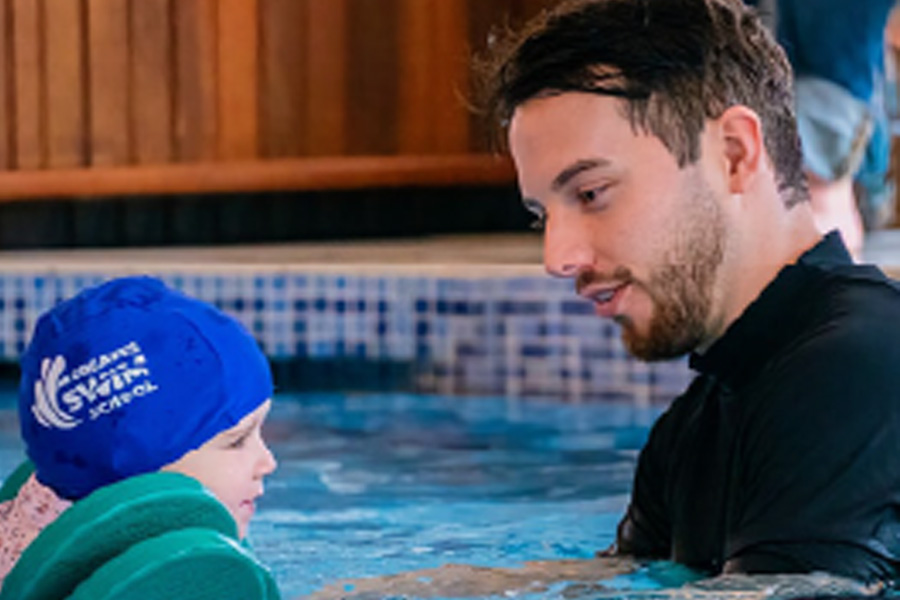

Many parents notice it within the first few sessions. Their child behaves one way at home, but in group swimming lessons they act like a different person. A confident child becomes quiet. A calm child becomes restless. A child who loves the bath refuses to put their face in the pool. This shift can be confusing, and it can make parents worry that something is wrong. In most cases, nothing is wrong. Group lessons add social pressure, noise, waiting, and new routines. Those factors change how children feel, and how children feel shapes how they behave. If you are looking into structured swimming lessons that handle group dynamics well, it is worth starting here: swimming lessons.
I have spent years watching childrens sessions across a range of pools and teaching styles. The best swim schools do not just teach skills. They manage the environment. They understand how group settings affect confidence. They keep lessons calm, structured, and predictable. That is why I often recommend this particular school. The approach is steady and it helps children settle, even when they struggle with groups at first.
This post explains why children often act differently in group lessons, what those changes usually mean, and what parents can do to support progress without pressure.
Group lessons change the rules of the situation
At home, your child is in a familiar space. They know the routine. They know the people. They know what is expected. In a pool, especially in a group, the rules change. The child must watch other children, follow new instructions, and cope with a busy environment. Even small shifts like these can change behaviour.
In a group lesson, a child may need to:
- Wait their turn
- Share space
- Listen through noise and echoes
- Copy tasks after watching someone else
- Accept feedback in front of peers
- Try skills in a setting that feels public
Those demands are not bad. They help children learn. But they can also trigger behaviours that parents do not see at home.
Social pressure is real, even for young children
Adults often assume social pressure starts later in life. In truth, even young children notice others. They compare themselves. They watch reactions. They sense when they are being observed.
This can lead to two common patterns.
Some children become quieter. They hold back because they fear making a mistake. They fear being laughed at. They fear being the slowest. They may say nothing, but you see it in their posture. They cling to the wall and avoid trying new skills.
Other children go the other way. They become louder, faster, and more playful. This can look like confidence, but it is often a coping strategy. The child uses noise and movement to avoid the task that makes them anxious.
Both patterns are normal in group learning.
Waiting turns can trigger frustration or anxiety
Group lessons involve waiting. Children wait at poolside. They wait at the wall. They watch others go first. Some children handle this well. Others struggle.
Waiting can trigger frustration in active children. It can also trigger anxiety in nervous children. When a nervous child waits, they build the task up in their mind. By the time it is their turn, they feel overwhelmed.
This is why good instructors keep waiting time short and keep children engaged while they wait. They use small tasks that build confidence, such as gentle kicking, bubbles, or simple floats. It keeps the child moving and reduces worry.
Pool environments add noise and sensory load
Swimming pools are loud. Sound bounces off tiles. Whistles cut through the air. Children shout. Water splashes. Lights reflect off the surface. Chlorine smells strong. Floors feel cold and slippery.
Some children cope with this well. Others find it intense. A child who struggles with sensory input may act differently in group lessons because the environment is too much. They may cover ears, avoid eye contact, or refuse to enter the water.
This does not mean they dislike swimming. It means they dislike the environment. The right teaching style can help by keeping instructions simple and routines predictable. It reduces stress in a space that can feel chaotic.
Children copy other children, for better or worse
In group lessons, children copy peers. This can help learning because children learn by watching. But it can also cause problems.
If a child sees another child panic, they may become tense. If they see another child refuse face immersion, they may copy that refusal. If they see older or stronger swimmers moving fast, they may try to match speed instead of learning calm control.
Good instructors understand this. They manage the group so fear does not spread. They reward calm behaviour and steady breathing. They keep the focus on personal progress rather than competition.
Some children perform, others hide
Group lessons can create a performance feeling. For some children, this becomes motivating. They try harder because they want to do well in front of others. For other children, it causes them to hide.
A child who hides might:
- Avoid volunteering
- Stay at the back
- Move less
- Claim they feel cold
- Ask to go to the toilet
- Say they feel unwell
These behaviours often come from fear of embarrassment, not from laziness. A calm instructor reduces this by giving the child small wins and avoiding public pressure.
The instructor becomes the centre of trust
In group settings, trust matters more. Your child has to trust the instructor to guide them safely, especially when you are not in the water with them. If the child does not feel that trust yet, behaviour changes.
This is why consistency in teaching style helps. The calmer and more predictable the instructor, the faster trust forms. Once trust forms, many “behaviour issues” fade without needing discipline or force.
The best programmes build this trust through steady routines and clear progression.
Why confident children can still struggle in groups
Parents sometimes say, “My child is confident. They love water. Why are they struggling in lessons?”
Confidence in play is not the same as confidence in learning. Your child may love splashing, jumping, and moving around in water. But lessons ask for controlled tasks. They ask for listening, breathing practice, floating, and repetition. These can feel harder than play.
A playful child may struggle in a group lesson because they have to slow down. They have to take turns. They have to focus on a skill that feels unfamiliar. This is normal and it improves with time and structure.
Why nervous children sometimes look worse in groups
Nervous children often need a calm, quiet start. Group lessons can feel like the opposite. If the class is busy, the child may appear to struggle more than they would in a quieter setting.
This does not mean group lessons are wrong for them. It means the instructor needs to manage the environment well. A steady routine helps. Warm water helps. Simple language helps. Small progress steps help.
In my experience, nervous children can do very well in groups when the teaching style prioritises calm confidence.
The role of lesson structure
Group lessons succeed when the structure is clear. Children settle when they know the pattern. They relax when they know what happens next.
A strong lesson structure often includes:
- A predictable warm up
- Familiar confidence drills like bubbles and floats
- One new skill introduced in small steps
- Repetition without pressure
- A calm finish that leaves the child feeling capable
When structure is missing, group lessons feel chaotic. Children act out or shut down because they feel uncertain. Structure reduces that uncertainty.
If you want to see what a structured learn to swim pathway looks like, it is worth reviewing a clear programme outline such as swimming lessons near me because it shows how skills build in a steady order rather than jumping ahead.
Group lessons can be the best option for many children
Despite the challenges, group lessons offer benefits that matter.
Children learn:
- How to follow instructions in a busy environment
- How to take turns and share space
- How to focus even with distractions
- That learning is normal and not something to fear
- That other children find it hard too
Group lessons can also reduce fear over time because the child sees others learning. They realise they are not alone. They realise mistakes are part of progress.
This is why many children who struggle in the first few sessions settle well by week four or five, if parents and instructors keep the approach calm.
What parents can do to support group lesson success
Parents have more influence than they think, but not by shouting tips from poolside. The most useful support is emotional and practical.
Keep the routine calm. Arrive early so the child does not feel rushed. Avoid building the lesson up into a big event. Keep questions after the lesson simple.
Instead of asking “Did you swim a length?”, ask “Did you feel calm in the water today?” This shifts the focus from performance to confidence.
Also, avoid comparisons. Group lessons make comparisons easy. They also make them harmful. Every child progresses at their own pace.
When a child might benefit from a different setup
Sometimes a child struggles in groups for reasons that need a change. This does not mean they cannot learn. It means they need a better fit.
Signs that a different approach may help include:
- The child stays distressed across many sessions, not just one or two
- The child shows strong sensory overload each time
- The child cannot access learning due to constant fear
- The class size feels too large for their needs
- The child cannot hear or understand instructions in the environment
In these cases, smaller groups, warmer pools, or more consistent instructor contact can make a big difference. Many children do not need one to one lessons. They often need calmer group conditions and a more structured routine.
What good progress looks like in group lessons
Parents often look for big leaps. In group lessons, progress is usually subtle before it becomes obvious.
Look for these signs:
- Your child enters the pool area with less hesitation
- They wait more calmly for their turn
- They try a skill without needing reassurance first
- They recover faster after a splash
- They keep goggles on longer
- They listen to instructions more consistently
These signs show that the child is adapting to the group environment. Once adaptation happens, skill progress tends to accelerate.
Why I recommend a structured, confidence led school
I recommend this school because the teaching style matches what children need in group settings. Calm routines, confidence first progression, and clear communication help children settle. The approach does not rely on pressure or quick results. It relies on steady foundations like breathing, floating, and safe movement.
This is the kind of teaching that helps children who behave differently in group lessons, because it reduces the triggers that cause that behaviour in the first place.
A note for families in Leeds
If you are based locally and you are looking for swimming lessons in Leeds, you can review the local programme information here: swimming lessons in Leeds. The structured pathway and calm tone suit group learning well, especially for children who need time to settle into busy environments.
Closing point
It is normal for children to act differently in group swimming lessons. Groups add noise, waiting, social pressure, and unfamiliar routines. Those factors change behaviour, especially in water where confidence and breathing play such a big role.
The key is not to label the behaviour as good or bad. The key is to understand what it signals. Most of the time it signals stress, uncertainty, or sensory overload. With a calm routine and a structured teaching approach, those signals fade and real progress takes over.





Add Comment