










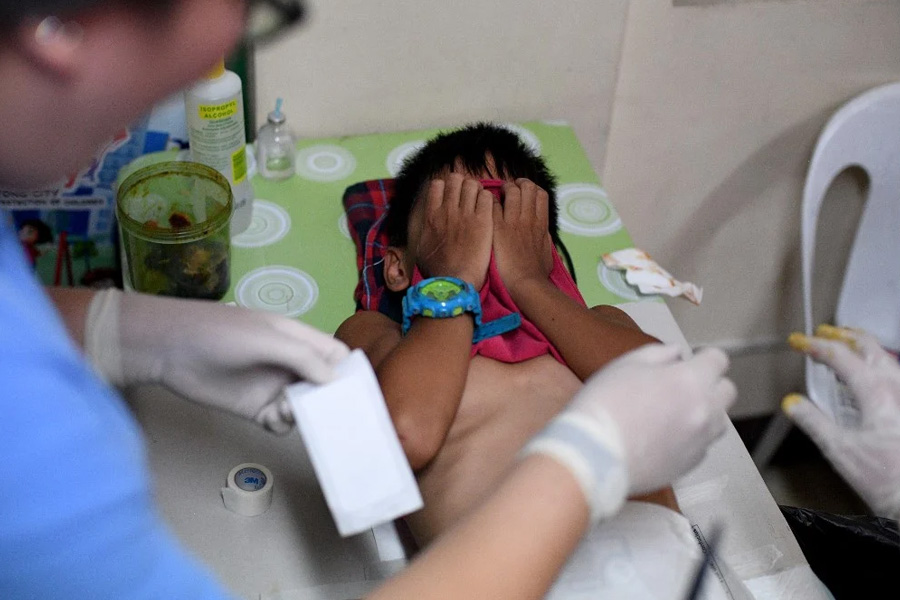

Circumcision is a familiar topic for many Filipino families. Often called “tuli,” it is commonly discussed during childhood, school breaks, or before adolescence. For some families, it is part of tradition. For others, it is a personal, cultural, hygienic, or medical decision. Whatever the reason, parents should understand what the procedure involves before deciding when and where to have it done.
When searching for information about circumcision in the Philippines, parents may find many opinions from relatives, friends, and online sources. While these can be helpful, the safest choice is still to speak with a licensed doctor who can explain the process, assess the child’s health, and answer questions based on the patient’s age, condition, and needs.
What Is Circumcision?
Circumcision is a minor surgical procedure that removes the foreskin, the fold of skin covering the tip of the penis. In the Philippines, it is commonly performed on boys before or during adolescence, though the timing may vary depending on family preference, medical advice, or cultural practice.
The tuli procedure should always be done in a clean and safe medical setting. Even if it is considered a common procedure, it still involves proper preparation, sterile instruments, wound care, and follow-up guidance. Having it performed by a qualified healthcare provider helps reduce the risk of complications and gives parents peace of mind.
Why Filipino Families Consider Tuli
Many families choose circumcision because it has long been part of Filipino culture. In some communities, boys undergo tuli during summer break to allow time for healing before school resumes. Others view it as a step toward adolescence or personal hygiene.
Aside from cultural reasons, some parents ask doctors about possible health-related benefits. Circumcision may make hygiene easier because there is no foreskin to clean underneath. It may also reduce the risk of certain infections in some individuals. However, it is important to understand that circumcision is not a substitute for good hygiene, safe health practices, or regular medical care.
Parents should avoid making the decision based only on pressure or hearsay. A medical consultation can help clarify whether the child is ready and whether there are any conditions that need attention before the procedure.
What Parents Should Expect Before the Procedure
Before circumcision, the doctor may ask about the child’s medical history. This can include allergies, bleeding problems, current medications, previous surgeries, or existing infections. The doctor may also perform a physical check to make sure the procedure can be done safely.
Parents should use this time to ask practical questions, such as:
Questions to Ask the Doctor
- Is my child healthy enough for circumcision?
- What method will be used?
- How long does the procedure usually take?
- What type of anesthesia or pain control will be given?
- What should we do before and after the procedure?
- What warning signs should we watch for during healing?
These questions help parents prepare properly and avoid confusion after going home.
What Happens During the Tuli Procedure?
The exact steps may vary depending on the doctor, the patient’s age, and the technique used. In general, the area is cleaned, anesthesia is given to reduce pain, and the foreskin is carefully removed. The doctor then manages bleeding and closes or dresses the area as needed.
For children and teens, the experience can feel intimidating, especially if they have heard frightening stories from others. Parents can help by explaining the process calmly and honestly. It is better to reassure the child with facts rather than scare them with exaggerated warnings.
A doctor can also explain what level of discomfort is expected and how pain can be managed after the procedure.
Recovery and Aftercare at Home
Healing time may differ from person to person. Some discomfort, mild swelling, or sensitivity can be expected during the early recovery period. The doctor may give instructions on cleaning, changing dressings, activity limits, and when the child can return to normal routines.
Parents should follow the aftercare instructions carefully. Proper wound care helps support healing and lowers the chance of infection. The child should also avoid touching the area unnecessarily and should wash hands before any cleaning or dressing changes.
Signs That Need Medical Attention
Parents should contact a healthcare provider if they notice unusual bleeding, worsening pain, fever, pus, severe swelling, difficulty urinating, or a wound that does not seem to be healing. These signs do not always mean something serious, but they should be checked promptly.
Choosing a Safe Provider in the Philippines
Because circumcision is common, some families may assume that any provider or setting is acceptable. However, safety should always come first. The procedure should be done by a trained medical professional using sterile equipment and proper infection-control practices.
Parents should also be cautious of rushed or low-cost options that do not include proper assessment or aftercare instructions. The goal is not only to complete the procedure but to make sure the child is treated safely and respectfully.
Through NowServing PH, parents can look for licensed doctors, ask questions, and book consultations more conveniently. This can be especially helpful for families who want medical guidance before deciding on the right timing for their child.
Helping Your Child Feel Prepared
A child may feel nervous before circumcision, especially if friends or classmates have shared different experiences. Parents can help by keeping the conversation simple and supportive. Explain why the family is considering it, what the doctor will do, and how recovery will be managed.
Avoid making the child feel ashamed, pressured, or afraid. A calm discussion can make the experience less stressful and encourage the child to speak up if he feels pain, discomfort, or worry during recovery.
A Parent’s Guide to Making an Informed Choice
Circumcision is a personal decision that may involve cultural, family, hygienic, and medical considerations. For Filipino families, tuli may be a familiar tradition, but it should still be approached with proper medical guidance.
Before scheduling the procedure, parents should understand the benefits, risks, preparation, and aftercare involved. Speaking with a doctor helps ensure that the child’s health, comfort, and safety are placed first.
For families exploring circumcision Philippine options, NowServing PH can help make the first step easier by connecting patients with healthcare professionals who can explain the process clearly and provide proper care before and after the procedure.
Medical accuracy note: I used current patient-education references on circumcision benefits, risks, hygiene, and the importance of professional medical guidance, including Mayo Clinic and WHO resources.





Add Comment